123-456-7890

hellocallcenter@gmail.com

123 Anywhere St., Any City, 12345
Gangrene is a serious medical condition that occurs when body tissue dies due to a lack of blood supply or a severe bacterial infection. It most commonly affects the extremities, including toes, feet, fingers, and limbs. Early diagnosis and prompt treatment are critical to prevent the spread of tissue death and avoid amputation.
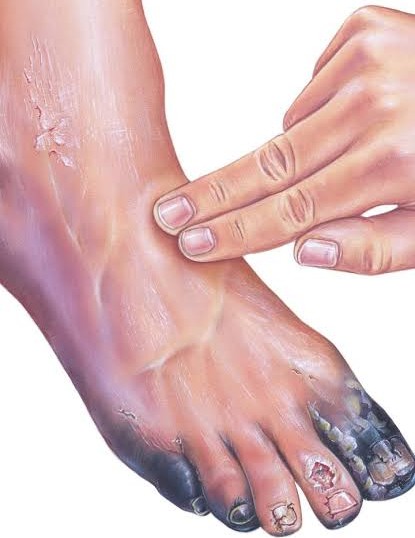
Gangrene develops when blood flow to a specific area of the body is compromised, causing tissue to die and decay. This can result from peripheral artery disease, diabetes, trauma, or severe infections. If left untreated, the dead tissue can become infected, spread rapidly, and lead to life-threatening complications such as sepsis.
At Nandan Vascular Center, we provide comprehensive gangrene treatment combining advanced vascular interventions, infection control, wound care, and surgical expertise. Our goal is to restore blood flow, remove dead tissue, preserve as much healthy tissue as possible, and prevent amputation through timely and effective treatment.
Gangrene symptoms may appear suddenly or develop gradually depending on the underlying cause. Immediate medical attention is essential when any of these signs appear.
Gangrene is caused by conditions that restrict blood supply or allow bacteria to invade tissues. Identifying the underlying cause is essential for effective treatment.
Understanding the type of gangrene is crucial for determining the appropriate treatment approach.
Caused by chronic reduced blood flow, usually in people with diabetes or vascular disease. The affected tissue becomes dry, shriveled, and dark in color. It progresses slowly and may not spread quickly.
Develops from sudden blockage of blood flow combined with bacterial infection. The tissue becomes swollen, blistered, and moist with a foul odor. This type spreads rapidly and is a medical emergency.
A severe form caused by Clostridium bacteria that produce gas within the tissue. It is life-threatening and requires immediate surgical intervention and aggressive antibiotic therapy.
Our vascular specialists use a comprehensive diagnostic approach to evaluate gangrene severity and determine the most effective treatment plan: Vascular assessment using Doppler ultrasound and angiography to evaluate blood flow, blood tests to detect infection and tissue damage, imaging studies such as X-ray, CT scan, or MRI to assess tissue involvement, and tissue biopsy or culture to identify specific bacteria.
Gangrene treatment requires a multidisciplinary approach aimed at restoring blood flow, removing dead tissue, controlling infection, and preserving healthy tissue. We offer comprehensive care tailored to each patient's condition.
Angioplasty, stenting, or surgical bypass to restore blood flow to the affected area, delivering oxygen and nutrients essential for tissue healing and preventing further tissue death.
Removal of dead or infected tissue to prevent the spread of gangrene and allow healthy tissue to heal. Multiple debridements may be required for optimal results.
Targeted intravenous and oral antibiotics to eliminate bacterial infection and prevent systemic spread, especially crucial in wet and gas gangrene cases.
Administering 100% oxygen under pressure to promote wound healing and fight infection, particularly effective in gas gangrene and diabetic wounds.
Advanced surgical techniques including skin grafts, flap reconstruction, and vascular interventions to preserve the limb and maximize functional recovery.
We provide comprehensive, multidisciplinary gangrene treatment with a strong focus on limb preservation, infection control, and functional recovery.
Our specialists perform a detailed clinical examination along with advanced vascular imaging, Doppler ultrasound, and diagnostic tests to determine the severity and underlying cause of gangrene. Early diagnosis allows timely intervention, improves blood circulation, and significantly increases the chances of limb preservation.
We provide advanced wound management, infection control, surgical debridement, and specialized dressings to remove damaged tissue and promote healing. Our multidisciplinary approach helps reduce complications while protecting healthy tissue from further infection.
Whenever possible, our vascular specialists perform advanced limb salvage procedures to restore blood flow using minimally invasive or surgical techniques. Personalized treatment plans are designed to preserve limb function, improve mobility, and prevent unnecessary amputations.
Following treatment, we provide comprehensive follow-up care, diabetic foot education, lifestyle counseling, and vascular health monitoring to reduce the risk of recurrence. Our long-term care programs focus on improving circulation, accelerating healing, and maintaining overall vascular health.
Complete the form below and our team will contact you to confirm your appointment.

32/2/9, Ratnamamba Street,
Padmaja Clinic,
Mogalrajapuram,
Christurajupuram,
Vijayawada - 520010
Monday - Saturday
9:00 AM - 7:00 PM